Private Boat Check Before You Board in Phu Quoc
Editorial team · Checked 5 November 2026
In short
Before boarding a private boat, check a life jacket for every passenger, a qualified crew, passenger numbers within the certified capacity and safe weather. Put it in writing. You can ask questions or refuse to board.
Before you board a private boat in Phu Quoc, check four things: a properly fitted life jacket for every passenger, a crew with valid qualifications, a passenger count within the boat’s certified capacity, and weather that allows departure. Put the details in writing. If something looks wrong, you can ask for clarification or refuse to board.
What should I check on life jackets and safety gear?
Check that there is a life jacket for every passenger, that it fits, and that you know where the rest of the safety equipment is.
Local sources report that vessels must carry adequate life jackets and lifesaving equipment and be securely moored within approved waters. Tourist speedboats must carry sufficient life jackets and avoid overloading. Speedboats should carry one jacket for each passenger and be inspected before departure.
On the dock, ask for these:
- A life jacket in the right size for each person, children included.
- Straps that fasten properly. A loose or badly fitted jacket may not give proper support.
- A crew member who shows you where the jackets are stored and how to put them on.
- Other lifesaving equipment, in sight and in reach.
Safety experts recommend wearing a properly fitted life jacket for the whole journey, especially on speedboats. Do not wait to be told. Our wider speedboat safety guide covers jackets and capacity checks in more detail.
What should I check about the crew, fuel and capacity?
Check that the crew hold valid qualifications, that the passenger count suits the boat’s certified capacity and that the fuel plan is clear.
- Crew. Operators and local sources report that crews must hold valid qualifications. Ask who the captain is and whether the crew are certified. For the wider rules, see boating licence rules for private boats in Phu Quoc.
- Capacity. Every vessel has a certified passenger capacity designed to ensure stability. Enforcement targets overloading. Ask how many passengers your boat is certified for and how many are booked. Your group size must fit comfortably under that number.
- Fuel. Fuel arrangements vary by operator. Some quotes include fuel and some add it, so ask whether fuel is part of the price and what happens if the route is longer than planned.
- Documents. Port border guards will verify travel documents of foreign tourists joining marine tours, so ask what ID to carry.
If the operator cannot answer these simply, that tells you something.
What should the written agreement list?
The agreement should list every point you have agreed, so nothing depends on memory or on a verbal promise.
A useful written agreement for a private boat covers:
| Item | What it should say |
|---|---|
| Operator and boat | Who runs the trip and which boat you will be on |
| Date, time, meeting point | Where and when you board and return |
| Route and stops | The islands or beaches planned, and who may change the route |
| Group size | The number of passengers, within the certified capacity |
| Crew | The captain and crew, and that they hold valid qualifications |
| Safety gear | Life jackets for every passenger, and a safety briefing |
| Weather terms | What happens if departure is suspended or the sea is unsafe |
| Total price | One figure, in one currency, and what it covers |
| Payment and cancellation | Any deposit, the balance and the refund terms |
Some operators include extras such as food, drinks or snorkel gear, and some do not. Ask whether your quote includes each one and have it written in. The costs and terms for a full day are explained in private boat charter Phu Quoc full day price.
What are the red flags before departure?
Treat any of these as a reason to stop and ask questions.
- Fewer life jackets than passengers, or jackets that do not fit or are damaged.
- A deck that looks crowded, or nobody who can say how many people the boat can carry.
- No safety briefing, or a captain who will not discuss the weather.
- Crew who cannot say whether they hold valid qualifications.
- Pressure to leave when the sea is rough or when weather warnings have been issued.
- A boat that is not securely moored, or that looks poorly maintained.
- Vague answers about the paperwork, or a price that changes at the dock.
Operators must suspend departures during adverse weather or when safety conditions are not met, and port border guards will deny departure clearance when severe weather warnings are issued. A captain who wants to ignore this is a red flag.
What if something is wrong?
Say so before the boat leaves, politely and specifically.
- Name the problem: “I see ten passengers and eight jackets.”
- Ask the operator to fix it or give a clear explanation.
- If it is not fixed, ask for clarification or refuse boarding. Travellers can do this when a boat looks unsafe or lacks life jackets.
- Ask to postpone. Postponing the trip is often the safest decision when authorities have issued warnings for rough seas or high winds.
- Message us on WhatsApp so we can speak to the local partner and rearrange the trip.
Check the weather forecast yourself rather than relying only on the operator. If the forecast and the captain disagree, ask more questions before you go.
What to do next
Print or save this list and take it to the boat. Read the speedboat safety guide for the wider picture and boating licence rules for private boats for the paperwork. Then see private boat charter Phu Quoc full day price for how a full day is quoted. We arrange it with local partners and confirm the exact price in the chat before you pay.
Frequently asked questions
What should I check before boarding a private boat in Phu Quoc?
How many life jackets should a private boat carry?
What should the written agreement for a private boat list?
What are the red flags before a private boat departs?
Can I refuse to board a boat that looks unsafe?
Do I need to check the weather myself?
Read next
-
 Guides
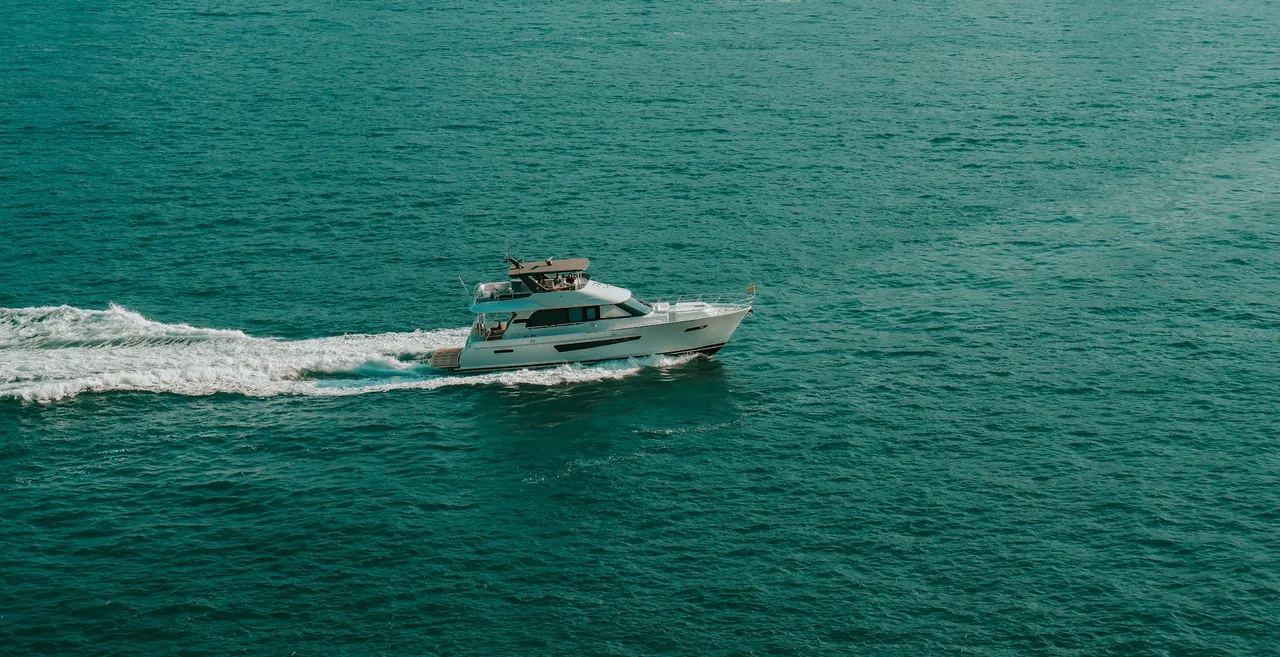
Speedboat Safety in Phu Quoc: What to Check
Speedboats can be a safe day out when the boat is registered, inspected, not overloaded and run by a trained crew. Check life jackets, capacity and the weather policy before you board.
Read → -
 Guides
Boating Licence Rules for Private Boats in Phu Quoc
On a crewed charter the crew, not the guest, is expected to hold the qualifications. Operators and local sources report the vessel must be registered, inspected and licensed for passengers. Confirm on WhatsApp.
Read → -
 Services
Private Boat Charter Phu Quoc Full Day Price
A private full-day speedboat charter for the whole boat is listed at about USD 267 to 569, from 1 to 2 guests up to 13 to 14 guests. This is a guide range checked on 5 November 2026; confirm what it includes.
Read →