Fishing and Marine Life Rules Around Phu Quoc
Editorial team · Checked 5 November 2026
In short
Parts of the waters around Phu Quoc are a marine protected area where fisheries rules are enforced. Do not take coral, shells or live sea life, and ask your operator which rules apply to your trip.
Fishing around Phu Quoc is regulated, because large parts of the surrounding waters are a marine protected area where authorities enforce the Law on Fisheries. Operators and local sources report rules on banned species, fishing means, seasons and fishing grounds. Do not take coral, shells or live sea life, and ask your operator which rules apply to your trip.
What are the legal rules for fishing around Phu Quoc?
Fishing is regulated, and operators and local sources report that authorities are tightening enforcement in the protected area.
What local sources report:
- Authorities are working to prevent environmental pollution, illegal land reclamation and destructive fishing practices in the marine protected area.
- The Department of Agriculture and Rural Development was ordered to tighten fisheries management and enforce the Law on Fisheries in the protected area.
- Rules on banned marine species, fishing means, vehicles, fishing seasons and fishing grounds are to be publicised to protect resources.
- Over 1,130 maps showing the zoning and subzones of the protected area were printed and distributed.
For a visitor, this means you should not assume that any spot, method or catch is allowed. A responsible operator knows the current rules for the route and explains them to guests. Confirm the current rule on WhatsApp or with the operator before you fish, and follow the crew’s instructions.
For a night trip, see night squid fishing trip in Phu Quoc. For a day on the water, see sport fishing boat trip in Phu Quoc.
Can coral, shells and sea life be taken?
Treat the answer as no: leave coral, shells and live sea life where you find them.
We have no confirmed list of what visitors may take, and we will not guess. Here is why caution makes sense:
- Authorities work to protect coral reefs, seagrass and mangroves, and to stop destructive practices.
- A coral reef cleanup in early 2025 collected 865 kg of waste entangled in coral reefs, which shows the pressure on the reefs.
- Transplanted coral colonies in the restoration zone showed an 82.5% survival rate after five months, so recovery is possible but depends on people leaving the reef alone.
- Over-exploitation, backward fishing methods and low community awareness are the main causes of depleted marine resources.
If you want a souvenir, ask the guide what is legal to buy, and do not buy items that look like coral or fresh shells. Never stand on coral or pull anything from the reef.
Where are the protected areas, and what are the fines?
The Phu Quoc marine protected area was established in 2007 and is among 11 marine protected areas in Vietnam.
| Detail | What local sources report |
|---|---|
| Established | 2007 |
| Size | Figures differ by source, from 26,863 to 40,909 hectares |
| What it covers | Coral reefs, seagrass beds and meadows, and mangrove swamps |
| Coral reefs | 9,720 hectares in the Hon Thom islet group |
| Buffer zone | More than 12,467 hectares to limit the impact of outside activity |
| Tourism | The Tourism Department manages and guides suitable tourism activities inside the area |
The sources describe enforcement rather than a fine list. Authorities will strictly fine companies that use equipment failing safety requirements. Inspections also found tourist boats docking at floating platforms in violation of regulations, and the illegal floating structures were ordered removed. We have no confirmed fine amounts for visitors, so ask the operator and follow the rules.
Scuba diving tours in the marine sanctuary in An Thoi Ward were suspended after a local inspection of coral reef development on August 16 (2022). Scuba equipment was reported old and rusty, damaging coral growth and endangering divers. The sanctuary is part of Phu Quoc National Park. Rules change, so confirm the current position with a local operator.
For where to see healthy reef from a boat, read best boat trip for coral reefs in Phu Quoc.
What should a fishing tour provide?
It depends on the operator, so ask what your quote includes and write it down.
We do not promise any inclusion. Some operators include rods, bait, drinks or food, and some do not. Ask these questions:
- Who provides the rods, lines and bait?
- Are life jackets provided for every guest?
- What fish or squid are we targeting, and in which area?
- Does the operator follow the current rules on fishing means and grounds?
- What happens to the catch? On some trips the crew cooks it on the beach, for example three or four dishes from the family kitchen.
- What happens if the weather cancels the trip?
A good operator answers these without fuss. If the answers are vague, or if you are asked to use a method that sounds destructive, choose another trip.
How can I be a responsible visitor?
Follow the rules, leave the reef alone and choose operators who care about the water.
Practical steps:
- Do not touch, stand on or collect coral, and do not take shells or live sea life.
- Take all your rubbish back to the boat.
- Choose operators who follow the rules and are open about where they fish.
- Avoid boats that dock at floating platforms that look unofficial. Inspections found tourist boats docking at floating platforms in violation of regulations.
- Ask your guide what is allowed before you fish or swim off the boat.
- Use reef-safe habits: no anchoring on coral, no feeding fish.
Phu Quoc is being positioned as a sustainable tourism hub with coral diving, night squid fishing and wilderness exploration, and visitors help or harm that goal by what they do on the water.
What to do next
Decide whether you want a night squid trip, a day of fishing or a reef trip, and ask the operator about the rules for that route. Read night squid fishing trip in Phu Quoc, sport fishing boat trip in Phu Quoc and best boat trip for coral reefs in Phu Quoc. Message us on WhatsApp and we arrange it with local partners and confirm the exact price in the chat before you pay.
Frequently asked questions
Are there legal rules for fishing around Phu Quoc?
Can I take coral, shells or sea life home from Phu Quoc?
Where is the protected area, and how big is it?
Are there fines for breaking the marine rules?
What should a fishing tour provide?
How can I be a responsible visitor on the water?
Read next
-
 Services
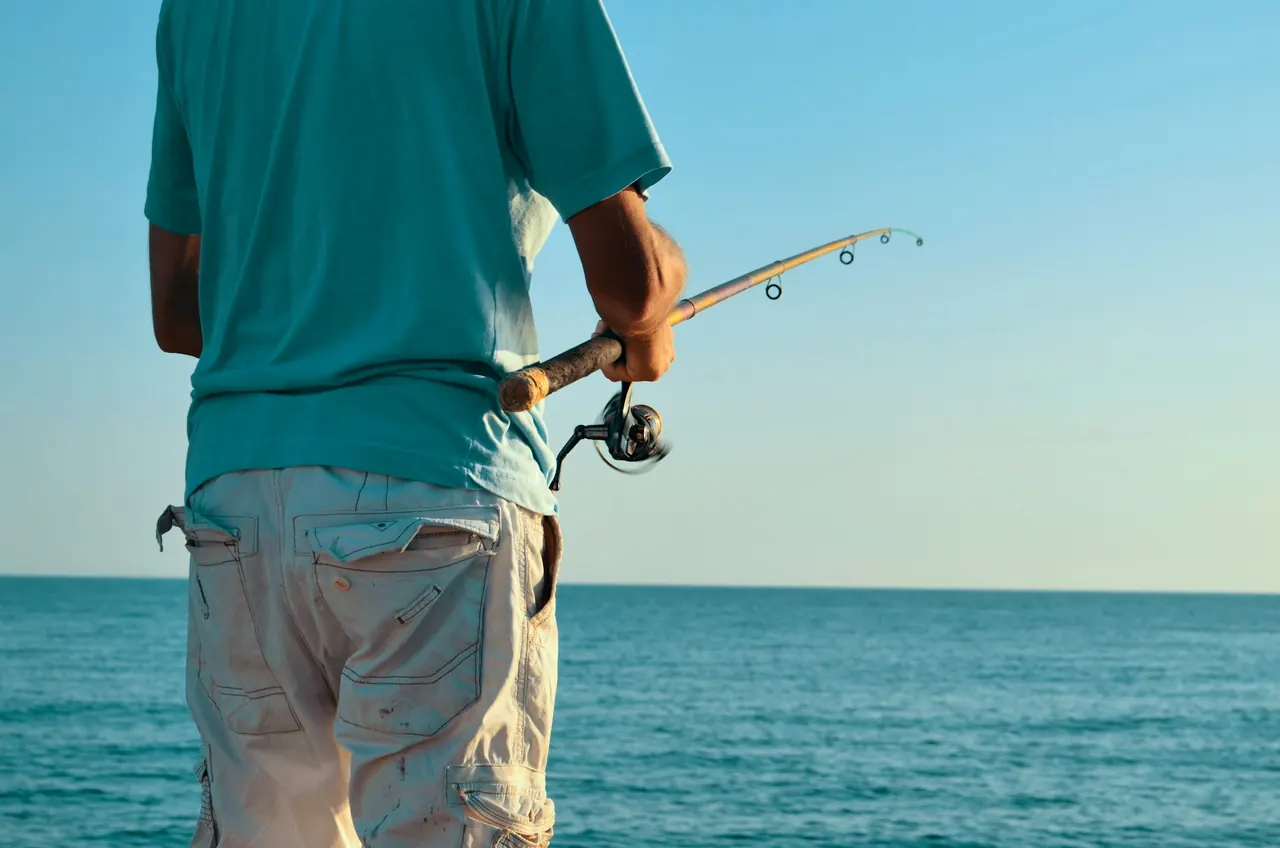
Night Squid Fishing Trip Phu Quoc: Cost and Gear
A shared night squid fishing trip in Phu Quoc is listed at about USD 15 to 17 per adult, a guide range checked on 5 November 2026. Tackle, bait and an on-board dinner are often included; ask to confirm.
Read → -
 Guides
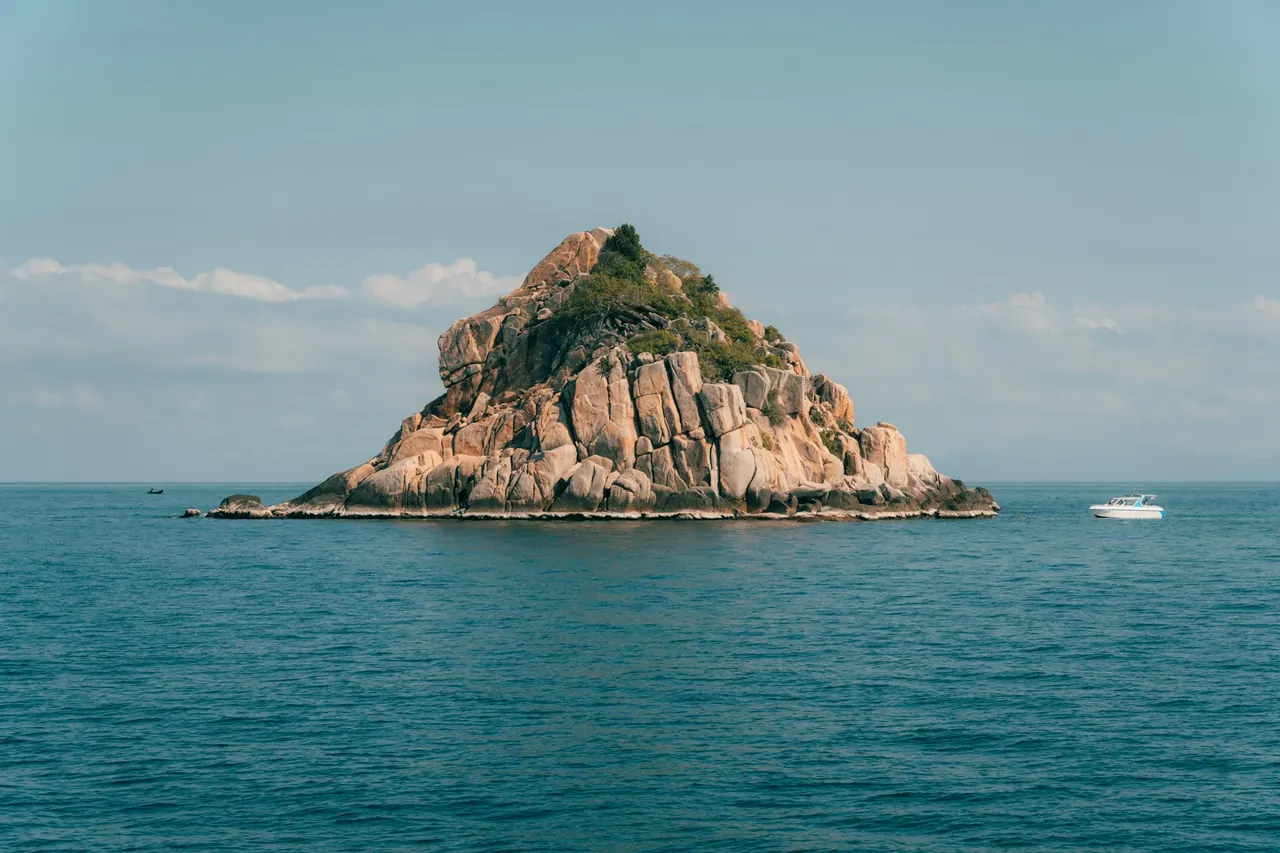
Best Boat Trip for Coral Reefs in Phu Quoc
The best coral is around the An Thoi archipelago off the southern tip, with Hon Gam Ghi and Hon May Rut the main spots, best from November to April. Go on an early boat and never stand on or touch the reef.
Read → -
 Services
Sport Fishing Boat Trip Phu Quoc: Day or Night
A private big-fish day in Phu Quoc is listed at about USD 170 to 182 per person for 4 to 5 guests, a guide range checked on 5 November 2026. Night squid trips cost far less, about USD 15 to 17.
Read →